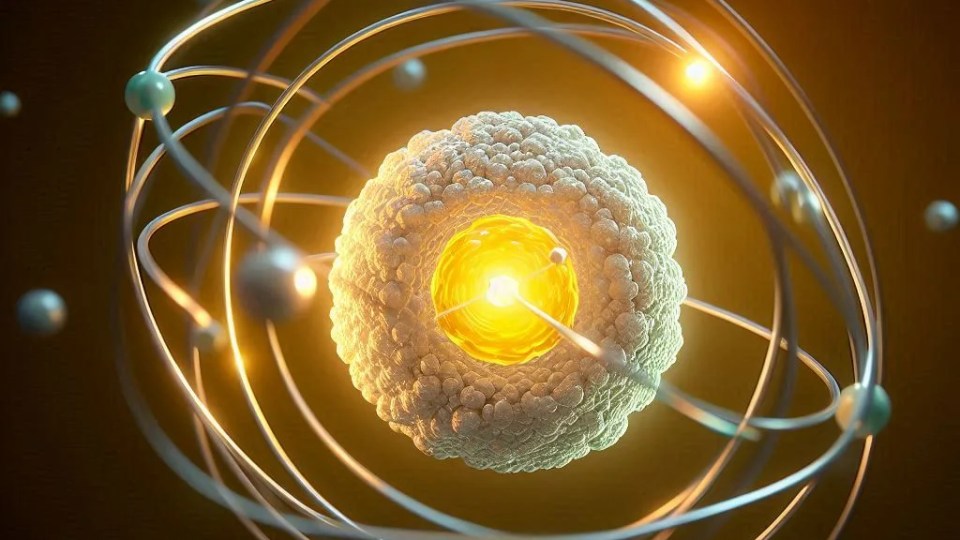
Nuclear Physics
Understanding the Bohr Theory of the Hydrogen Atom
The Bohr Theory of the hydrogen atom is a fundamental concept in physics, explaining how electrons move around the nucleus in an atom. This theory was…

Clear explanations, formulas, diagrams and practical examples designed to make physics easier to understand.
Start with a subject and explore concepts, formulas and detailed explanations.
The Bohr Theory of the hydrogen atom is a fundamental concept in physics, explaining how electrons move around the nucleus in an atom. This theory was…
Introduction to Subatomic Particles Atoms are the fundamental units of matter, making up everything we see, touch, and interact with…

Steps to check a diode with a multimeter, follow these steps: Set the multimeter to diode test mode, represented by…

To understand how to characterize a voltage controlled current source (VCCS)? We must know about VCCS. Voltage-controlled current source (VCCS)…
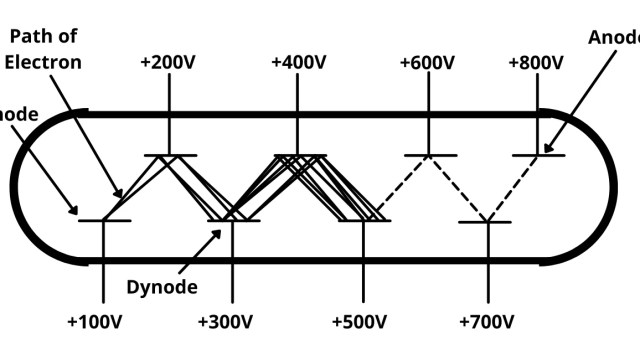
A scintillation counter is a type of radiation detector that uses a scintillator material to detect and measure ionizing radiation.…
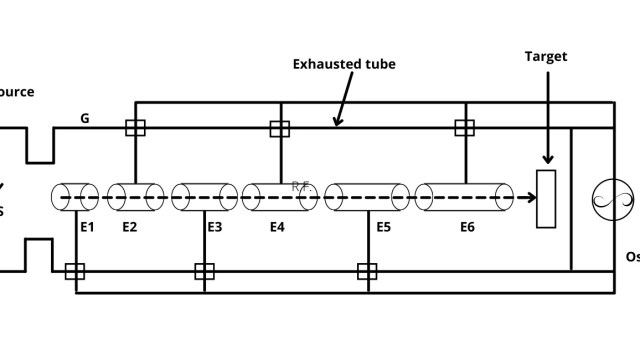
Linear accelerators overcome the problem of maximum potential difference that can be held by the charged shell by the repeated…

GM counter working and construction What is GM counter A Geiger Muller (GM) counter is used to detect the direction…
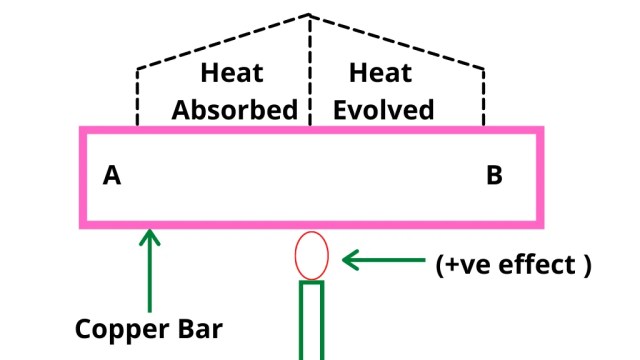
What is Thomson Effect When a current flows through an unequal heated conductor, heat is evolved or absorbed along the…
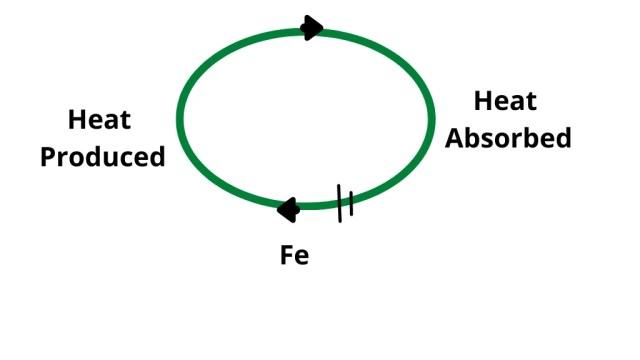
Peltier Effect Definition When current flows across the junctions of a Thermocouple, heat is generated (evolved) or absorbed i.e the…
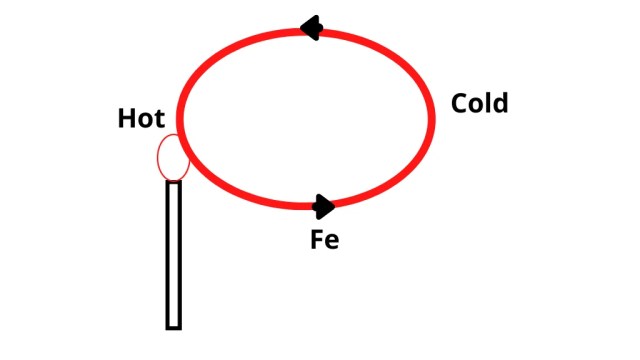
Seebeck effect definition In 1826, Seebeck discovered that an electric current could be produced by thermal means. He found that…
Quickly find equations, symbols, SI units and explanations for commonly used physics formulas.
Force equals mass times acceleration.
Energy of an object due to its motion.
Relates voltage, current and resistance.
Speed equals frequency times wavelength.